Looking back at a 2019 question of accountability in corrections
MUSTERUP!!! • QPOA / MYUNION • Nine News • 13 May 2019
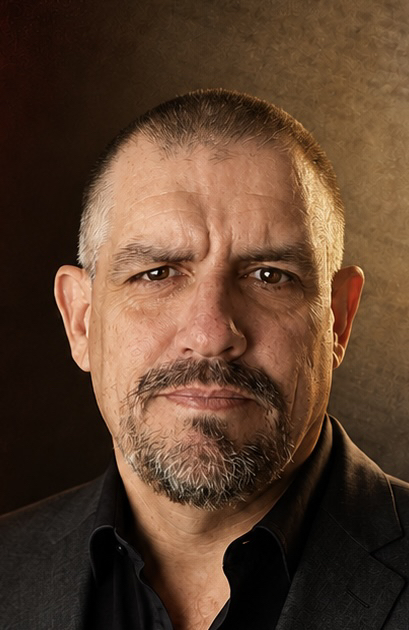
On 13 May 2019, 9News identified Brian Newman as a former prison officer and Workers First’s Director of Investigations and Industrial Advocacy in a report on who held decision-making authority in a Queensland corrections matter. It is a dated media attribution, not a finding or an account of where responsibility ultimately lay. There is no need to revisit the people involved or the merits of the original story to ask a useful question today: when a decision raises concerns, who can explain it, where can it be raised, and what records would help? 9News report, 13 May 2019
Match the concern to the right pathway
The Inspector of Detention Services Act 2022 sets out inspection and review functions for Queensland detention facilities and services. That is a way to examine conditions and systemic issues. It is different from an individual complaint or a review of a decision that affects one person.
For a specific concern, record what decision or action is in question, who communicated it, when it occurred and what outcome you want. Ask the responsible agency for written clarification where appropriate. Keep documents securely. A person in custody, a family member, a worker and a member of the public may have different routes and limits on what information can be released to them. QCS complaints and contact information · Queensland Government guide to prisoners’ rights and complaints
For workers, a workplace grievance is not the same as a custody complaint or an inspection. Check the applicable employer process, whether there is a decision capable of review, and any deadline before assuming a complaint preserves another right. The QIRC public-sector appeals guide explains the kinds of appeal its jurisdiction covers.
The useful test of accountability isn’t whether every decision makes headlines. It’s whether the people affected can understand the process and find the right place to raise a concern.
Watch the flashback
Listen to the flashback
Contact MYUNION: gethelp@myunion.au • 1300MYUNION (1300 698 646)
Find more information: MYUNION.au
Discussion transcript
Lachie: Who had authority to make the decision? In May twenty nineteen, Nine News raised that question about a Queensland corrections matter. The report records a public question, not a finding about who was ultimately responsible. We don’t need to revisit the people involved to apply that question to a decision today.
Leanne: Start by working out what happened. Was there a decision, an instruction, or just a message about what might happen? Note the date, what was communicated, and the role of the person who communicated it. The person passing on the decision may not be the one who made or authorised it.
Lachie: Here’s an example. You’re told that a workplace arrangement changed, but it isn’t clear who approved it or when it takes effect. Ask for written clarification through the appropriate channel. Check which policy or delegation applied at the time, and keep what you can lawfully retain in the right place.
Leanne: Don’t fill an empty space in the record with an assumption. If no one has shown you who approved something, note that it hasn’t been confirmed. Keep the document or the authorised reference to it, and separate your own observations from what someone else told you.
Lachie: Who can take a look depends on the issue. Queensland’s Inspector of Detention Services has functions to inspect and review detention facilities and services. That makes it possible to examine broader conditions and patterns. It’s a different function from deciding an individual complaint or reviewing a particular decision affecting one person.
Leanne: The right channel may also depend on who’s raising it. A worker, a person in custody, a family member and someone in the public may have different processes, and different limits on what can be disclosed. The article links to the Queensland Government’s and Corrective Services’ current public guidance.
Lachie: For a workplace concern, check the employer’s process, whether there’s a decision capable of review and what deadline applies. Don’t assume an internal complaint puts a review deadline on hold. Say which decision you mean, the outcome you’re asking for and what records support your account.
Leanne: That gives the responsible agency a clear question it can answer, without turning uncertainty into an accusation. If you’re a Queensland prison officer, explore QPOA membership through MYUNION. The link is with this article. Check what membership covers before you join.
Lachie: To get in touch, email get help at MYUNION.au, or call thirteen hundred, six nine eight, six four six. For more guides and information, explore MYUNION.au.
Key points from the original flashback
MAY 2019 • NINE NEWS Who made the decision? Nine News reported questions about who authorised a decision in a Queensland prison.
AUTHORITY IS NOT A GUESS Check who could act Identify the decision-maker and check the policy or delegation applying at the time.
PRESERVE THE RECORD Evidence, not speculation Record known dates, roles and sources. Keep authorised records and mark what is still unconfirmed.
Support for Queensland prison officers
Queensland prison officers can explore QPOA membership and ask MYUNION about workplace advocacy. This feature is general information, not individual legal advice.