First Nations Union Subscription: Indigenous-Owned Advocacy for Employment, Discrimination & Human Rights
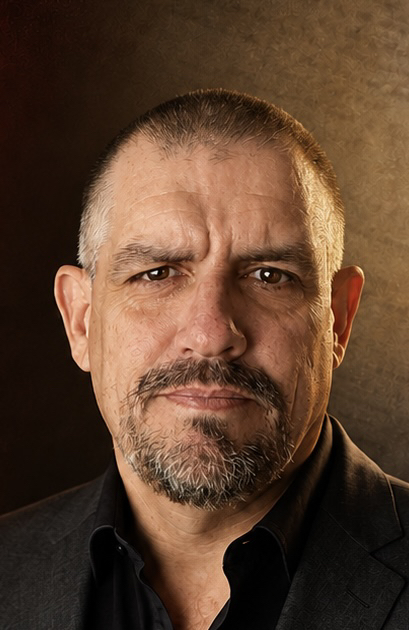
First Nations people advocating for First Nations people
MYUNION is proud to introduce the First Nations Union (FNU) Subscription — a dedicated advocacy initiative providing support to Aboriginal and Torres Strait Islander people across employment, discrimination and broader human rights matters.
The First Nations Union initiative is 100% Indigenous owned, as is MYUNION.
It has been established in partnership with the National Aboriginal and Torres Strait Islander Corporation – Advocacy Service (NATSIC-AS), an Indigenous corporation that is Supply Nation endorsed/certified.
Together, the objective is straightforward:
to provide culturally informed, accessible and professional advocacy for First Nations people when their employment, equality, dignity or human rights are at stake.
This is not limited to workplace disputes.
Human rights and discrimination can arise in employment, housing, education, services and many other areas of public and private life. Where an appropriate complaint pathway exists, FNU and MYUNION can assist people to understand that process, prepare their complaint and advocate for them before the relevant human rights or anti-discrimination commission and, where appropriate, through tribunal proceedings.
100% Indigenous Owned
Indigenous ownership is not a marketing slogan attached to this initiative.
It is fundamental to what FNU represents.
First Nations Union is 100% Indigenous owned. MYUNION is also 100% Indigenous owned.
The FNU Subscription has also been established in partnership with NATSIC-AS, strengthening the initiative's connection to Indigenous advocacy, community and self-determination.
NATSIC-AS is endorsed/certified through Supply Nation, Australia's recognised Indigenous business and supplier diversity organisation.
This creates an advocacy model in which First Nations people are not simply the recipients of a service. Indigenous people are directly involved in the ownership, development and delivery of the advocacy framework itself.
Indigenous owned. Indigenous focused. Advocacy with purpose.
More Than Employment Advocacy
Employment remains a major area of the FNU Subscription, but the initiative extends considerably further.
Discrimination does not stop at the workplace door.
A person may experience discrimination when applying for accommodation, dealing with a landlord or property provider, accessing goods and services, participating in education, dealing with government or organisations, or in other areas of public life.
Depending upon the circumstances and applicable legislation, discrimination and human rights complaints may concern matters including:
race and racial discrimination;
employment discrimination;
workplace bullying and harassment;
sexual harassment;
disability discrimination;
age discrimination;
sex discrimination;
pregnancy and family responsibilities discrimination;
discrimination in accommodation and housing;
discrimination in education;
discrimination in the provision of goods and services;
discriminatory treatment by organisations or service providers;
victimisation after making or proposing to make a complaint;
vilification and racial hostility where covered by applicable legislation;
other conduct potentially protected by Commonwealth, State or Territory discrimination and human rights legislation.
The appropriate jurisdiction depends upon the particular facts, location, legislation and nature of the conduct.
That is why early assessment matters.
Employment Advocacy
For First Nations workers, employment disputes can involve significantly more than a disagreement between an employee and employer.
Issues of culture, race, communication, unconscious bias, stereotyping and organisational power can intersect with ordinary employment processes.
The FNU Subscription provides access to advocacy concerning matters such as:
unfair dismissal;
general protections and adverse action;
workplace discrimination;
racial discrimination;
sexual harassment;
workplace bullying;
disciplinary allegations;
show-cause notices;
workplace investigations;
performance management;
suspension;
workplace grievances;
underpayment and employment entitlement disputes;
workers' compensation reviews and disputes;
workplace injury-related employment issues;
representation during workplace meetings; and
other employment disputes.
Our role as professional advocates is to help ensure that a worker understands the process, can properly articulate their position and is not left trying to navigate a complex dispute alone.

Discrimination Beyond the Workplace
One of the important features of the FNU initiative is its broader focus on human rights advocacy.
Racial and other forms of discrimination can occur in everyday life.
Housing and Accommodation
Discrimination can potentially arise in connection with:
applying for rental accommodation;
dealing with real estate agents or property managers;
treatment by accommodation providers;
tenancy-related decisions;
access to housing;
discriminatory conditions or requirements; and
other accommodation-related services.
Where conduct may fall within Commonwealth, State or Territory discrimination legislation, FNU can assist in identifying an appropriate complaint pathway and advocating through that process.
Goods and Services
Human rights and discrimination protections can also apply to the provision of goods and services.
Depending upon the jurisdiction and circumstances, this can potentially involve interactions with businesses, service providers, institutions and other organisations.
Being refused a service, treated differently, subjected to racial comments or otherwise disadvantaged because of a protected attribute may give rise to a complaint pathway.
Education
Discrimination may also arise in schools, universities, training organisations and other educational settings.
The circumstances may involve admission, participation, disciplinary processes, access to services, treatment by an institution or other discriminatory conduct.
Everyday Life
Human rights advocacy is therefore not confined to someone's job.
Where discrimination occurs in an area covered by applicable legislation, there may be avenues for accountability.
The first step is identifying what happened, where it happened, why the person believes the treatment was discriminatory and which jurisdiction applies.

Advocacy Before Human Rights and Anti-Discrimination Commissions
Depending upon the circumstances, complaints may be capable of being made to bodies such as the Australian Human Rights Commission or the relevant State or Territory human rights, equal opportunity or anti-discrimination commission.
FNU advocacy may include assisting a person to:
understand the complaint process;
identify and organise relevant evidence;
prepare a chronology;
articulate the alleged discriminatory conduct;
identify the impact of the conduct;
prepare a complaint;
respond to correspondence from the respondent;
consider a respondent's formal response;
prepare for conciliation;
develop settlement proposals;
participate in conciliation; and
advocate for an appropriate resolution.
A well-prepared complaint should do more than simply state that someone has been treated unfairly.
It should clearly explain what happened, when it happened, who was involved, what evidence exists and why the conduct is alleged to engage the relevant discrimination or human rights protections.
That is where professional advocacy can make a substantial difference.
Advocacy in Tribunal Proceedings
Some discrimination complaints may progress beyond a commission process.
Depending upon the applicable legislation, jurisdiction and procedural pathway, an unresolved complaint may ultimately be capable of proceeding to a tribunal or court.
Where tribunal advocacy is available and appropriate, FNU and MYUNION can assist clients with preparation and advocacy associated with the next stage of their complaint, subject always to the particular jurisdiction, tribunal rules and any requirements concerning representation.
The objective remains the same:
to ensure that the person has a properly prepared voice in the process.
We are professional employment and human rights advocates. We are not a law firm and do not provide legal services.
Our focus is advocacy, representation, complaint preparation, case management and assisting people to navigate employment and human rights processes.
Why Culturally Informed Advocacy Matters
For Aboriginal and Torres Strait Islander people, discrimination cannot always be properly understood without considering history, culture and lived experience.
A workplace investigation may appear neutral on paper while failing to understand cultural communication.
An organisation may dismiss an incident as insignificant without appreciating its racial context.
A decision-maker may view incidents individually when the person experiencing them sees an ongoing pattern of exclusion or differential treatment.
Culturally informed advocacy means ensuring these matters are properly articulated rather than erased from the narrative.
It means listening.
It means understanding context.
It means recognising that equality does not always mean treating everyone identically.
And fundamentally, it means ensuring First Nations people have a meaningful opportunity to speak and be heard.
Evidence Matters
Whether the issue concerns employment, housing, services, education or another discrimination matter, evidence can be critical.
People experiencing potential discrimination should consider preserving relevant material, including:
emails;
text messages;
photographs;
letters;
employment records;
tenancy or housing correspondence;
complaints previously made;
responses from organisations;
witness details;
screenshots;
social media material where relevant;
policies and procedures;
medical evidence where relevant to impact;
contemporaneous notes; and
a chronology of significant events.
Where possible, record dates, locations, people present and the words or conduct involved.
Memories fade. Documents disappear. Staff leave organisations.
Preserving evidence early can become extremely important later.
First Nations Union + MYUNION + NATSIC-AS
The FNU Subscription brings together organisations with a shared commitment to advocacy and First Nations empowerment.
FIRST NATIONS UNION
A 100% Indigenous-owned initiative focused on advocacy for Aboriginal and Torres Strait Islander people.
MYUNION
100% Indigenous owned, providing professional employment and human rights advocacy and representation.
NATSIC-AS
The National Aboriginal and Torres Strait Islander Corporation – Advocacy Service, working in partnership with the initiative and endorsed/certified through Supply Nation.
Together, this partnership provides the foundation for an advocacy service that understands that employment rights and human rights are interconnected.
One Subscription. Broader Advocacy.
The FNU Subscription is designed around a simple proposition:
First Nations people should have somewhere to turn when they believe they are being treated unfairly
At work.
When facing discrimination.
When dealing with housing.
When accessing services.
When their dignity or equality is being challenged.
When they need assistance preparing a complaint.
And when they need someone prepared to advocate their position.
Employment. Discrimination. Human Rights. Advocacy.
Your Rights. Your Voice. Your Advocate.
The First Nations Union Subscription represents something larger than another employment service.
It represents a commitment to ensuring Aboriginal and Torres Strait Islander people can access advocacy that understands both the formal processes and the cultural context in which disputes occur.
If you believe you have experienced discrimination or unfair treatment, do not assume that nothing can be done.
There may be an employment, discrimination or human rights pathway available.
Talk to FNU and MYUNION.
FIRST NATIONS UNION
100% Indigenous Owned
MYUNION
100% Indigenous Owned
In partnership with NATSIC-AS
Supply Nation endorsed/certified
Employment • Discrimination • Human Rights • Advocacy
Important Information
This article provides general information about employment, discrimination and human rights advocacy. It does not constitute legal advice or legal services. MYUNION and the First Nations Union provide professional advocacy services and are not law firms. Available complaint and tribunal pathways depend upon the particular facts, applicable legislation, jurisdiction, statutory time limits and procedural requirements of the relevant commission, tribunal or other body.