Dickson: QCS permitted lawyers in a reinstatement proceeding
Updated: Nov 12

QUEENSLAND INDUSTRIAL RELATIONS COMMISSION · [2026] QIRC 302 · 23 September 2026
The result and the question actually decided
The Queensland Industrial Relations Commission granted the State of Queensland leave to be represented by Ashurst Perkins Coie and private counsel in Mr Darren Dickson’s reinstatement proceeding. The decision addressed representation under s 530 of the Industrial Relations Act 2016 (Qld). It did not decide whether the ending of his employment was an unfair dismissal or whether reinstatement should be ordered. See [1]–[4], [9]–[12], [24]–[26].
For a worker facing a government employer, the practical issue is how fairness is assessed when one side proposes to use external lawyers. Self-representation is relevant, but this ruling shows that it does not automatically prevent the other party obtaining leave.
The procedural chronology
Mr Dickson had worked as a full-time Human Resources Manager for QCS under a fixed-term temporary contract. The contract ended on 4 August 2026 and he filed an application for reinstatement on 24 August. QCS indicated an intention to use lawyers and filed Form 101 seeking leave on 8 September. See [1]–[4].
An earlier email from Mr Dickson withheld consent and requested the application and supporting material, with an opportunity to respond. The registry forwarded Form 101 on 8 September. The reasons record that Practice Direction 1 of 2023 required a Form 102 response within seven days of service; no Form 102 or further submission was received. The Vice President nevertheless addressed the basis for exercising discretion. See [5]–[8], [11].
The underlying allegations remained unresolved
The reasons summarised Mr Dickson’s allegations about consultation, an opportunity to respond, work incapacity and a WorkCover claim. He also alleged a connection between his workplace injury and the decision not to extend the contract. Those matters explained the proceeding’s issues. They were allegations, rather than findings that QCS had acted unlawfully or unfairly. See [12].
The representation ruling cannot establish whether the contract’s expiry amounted to a dismissal, whether any dismissal was unfair, or whether the asserted connection with injury was proved. Keeping the procedural decision separate from the substantive employment dispute is essential to reading the outcome accurately.
The statutory framework
The reasons identified three alternative grounds under s 530(4): efficiency having regard to complexity; unfairness because a party cannot represent itself; or fairness between the parties. Only one ground needed to be established. The discretion therefore required attention to the proposed representation’s actual contribution and the conduct of the proceeding. See [9]–[10].
The broader representation framework also matters. This was a reinstatement proceeding, not one of the public-service appeals discussed in the other corrective-services reviews. Section 530 expressly has a different application to public-service appeals. Legal practitioners and other agents are governed by different provisions; this ruling does not confer an unrestricted right for a paid advocate to appear in every QIRC matter. The permitted role, any leave requirement and any fee restriction must be checked for the actual proceeding.
Why the Commission granted leave
The Vice President considered Mr Dickson’s self-represented status and the question of relative fairness. The reasons concluded that representation could help keep the case focused on the real factual and legal issues, distinguish evidence from submissions, present evidence properly and assist conciliation. See [13]–[20].
The Commission also relied on safeguards: its own case management, counsel’s obligations when an opponent is unrepresented and the State’s model-litigant responsibilities. It considered those features capable of protecting fairness and supporting efficient conduct. It then granted the application. The decision does not mean that those safeguards can be ignored later, or that external representation will be appropriate on every factual record. See [18]–[26].
How to approach a representation application
Read the actual application, the order sought and the material supporting it. Check the applicable response form and service deadline promptly. An email recording non-consent may not replace a prescribed response. If more time is needed, seek an appropriate extension rather than assuming that an earlier email keeps the response period open.
Address the statutory grounds with concrete circumstances. Identify the complexity said to require assistance, what the other party can already do through its own officers, the particular disadvantage alleged and whether case-management measures could address it. A general comparison of resources may provide context, but explain how it affects the fair conduct of this proceeding.
If leave is granted, prepare for the case that follows. Organise the chronology, distinguish factual evidence from argument, identify admissions and disputes, and keep the employment merits separate from the representation dispute. Ask for clear directions where an unrepresented party needs procedural assistance.
For a government employer, reliance on model-litigant responsibilities should be reflected in practical conduct: clear issues, fair exchanges of material and assistance to the tribunal in dealing with an unrepresented opponent. Permission to use lawyers does not answer the worker’s underlying allegations.
Questions workers commonly ask
Can I oppose the employer’s request for lawyers? The statutory procedure provides for consideration of the application. Use the correct form and address the grounds and the proposed safeguards.
Does self-representation mean the employer must also appear without lawyers? Not automatically. The Commission considered fairness and efficiency and granted leave on the record in this case.
Did QCS win the reinstatement case? This decision does not say so. It decided who could represent QCS in that proceeding, rather than the ultimate employment claim.
Full decision, sources and assistance
Case details: [2026] QIRC 302; Vice President O’Connor; 23 September 2026; matter TD/2026/116. Full published reasons and original PDF were checked on 10 November 2026. The source’s appeal-status field was unavailable; no representation is made that later proceedings have been exhaustively excluded.
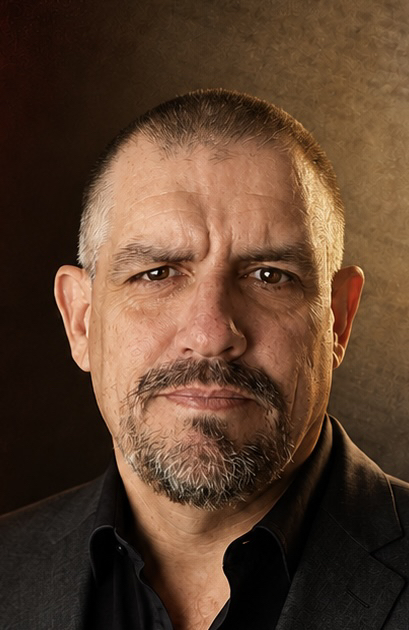
The cover is an editorial illustration and does not depict the parties or their actual workplace. This is original MYUNION advocacy commentary. MYUNION is not a law firm and does not provide legal advice or legal services. Representation availability depends on the forum and applicable rules. An enquiry does not lodge a claim or stop a time limit.